
 ultimate-guide
Las Vegas Luxury Real Estate Market Update 2026
Table of Contents
- Current Market Trends and Inventory Levels
- Median Sales Price and Year-over-Year Performance
- Buyer vs. Seller Market Dynamics in the Luxury Segment
- Interest Rates and Financing Impact on High-End Residential Properties
- Understanding Luxury Home Property Taxes in Henderson
- Selling Luxury Property in the Current Market
- Buying a Million-Dollar Home in the Valley
- Lifestyle and Amenity Trends Shaping Luxury Demand
- Frequently Asked Questions
Last Updated: October 2, 2026
Current Market Trends and Inventory Levels
The luxury real estate market in 2026 reflects significant stabilization after years of volatility in the luxury real estate market. High-end residential properties have settled into a more balanced landscape where both buyers and sellers operate with clearer expectations.
What's driving this stability? Several factors converge. Interest rates have plateaued at levels that, while higher than pandemic lows, are no longer creating the shock that characterized 2023 and 2024. Economic uncertainty has eased somewhat, though affluent buyers remain selective about timing and property selection.
Properties that are positioned correctly, priced realistically, and marketed to the right audience still move within reasonable timeframes. The key difference from previous cycles is that overpriced luxury homes now sit noticeably longer, signaling that the market has become less forgiving of inflated expectations.
One critical insight: luxury inventory levels vary significantly by neighborhood and property type. Single-family homes in established luxury enclaves maintain tighter inventory, while luxury condos and townhomes show slightly more supply. This distinction matters enormously for both buyers and sellers developing strategy.
Median Sales Price and Year-over-Year Performance
Median sales prices for luxury properties have experienced modest appreciation rather than dramatic swings. Properties in the one to three million dollar range have seen year-over-year price changes that reflect gradual market adjustment rather than explosive growth or sharp decline.
The real story lies in segmentation. Ultra-luxury properties above five million dollars have performed differently than the broader luxury market. This tier attracts international buyers, investment capital, and owner-occupants with different motivations than the one to three million dollar segment.
A common mistake is anchoring to sale prices from 2023 or 2024 without accounting for market correction. Properties that sold for specific prices two years ago may not command identical prices today, even if they're comparable. The market has recalibrated. We work with clients to establish pricing based on current market conditions, not historical reference points that no longer reflect reality.
What most guides miss is the role of property-specific factors in price appreciation. A luxury home with exceptional amenities, updated systems, and premium location positioning can outperform market averages, while a property with deferred maintenance or less desirable exposure may underperform. Year-over-year comparisons are useful context, but they don't replace individual property analysis.
Buyer vs. Seller Market Dynamics in the Luxury Segment
The luxury market in 2026 is neither decisively a buyer's market nor a seller's market. Instead, it's a negotiation market where use shifts based on specific property characteristics and buyer-seller alignment.
For sellers, the advantage lies in properties that stand out. Well-maintained luxury homes with distinctive features, prime locations, or exceptional amenities attract serious buyers quickly. Overpriced or poorly presented properties, conversely, face extended marketing periods and eventual price reductions.
For buyers, the current environment offers genuine choice. Inventory levels mean you're not forced into bidding wars or accepting the first property that meets your criteria. However, this advantage evaporates if you wait too long or remain indecisive.
Understanding your position requires honest assessment. Are you selling a property that represents the top 10% of its category, or is it middle-of-the-pack for the price point?
Interest Rates and Financing Impact on High-End Residential Properties
Interest rates remain the single most influential external factor affecting luxury home financing. Even small rate movements create measurable impacts on purchasing power and monthly payment obligations.
The luxury market shows particular sensitivity to rate changes because high-end properties often involve larger loan amounts. A one percentage point increase in interest rates reduces purchasing power by roughly 10% for fixed-income buyers.
Financing options for luxury properties extend beyond conventional mortgages. Portfolio loans, jumbo mortgages, and alternative financing structures exist for buyers with substantial assets or unique situations. Understanding which financing approach aligns with your specific circumstances is essential.
What many first-time luxury buyers don't realize is that interest rate environment affects not just your payment, but also your negotiating position. In a rising-rate environment, sellers face pressure because buyer financing becomes tighter.
Understanding Luxury Home Property Taxes in Henderson
Property taxes on luxury homes in Henderson operate under specific assessment and valuation frameworks that differ meaningfully from residential taxes in other jurisdictions. Henderson's property tax structure applies uniform rates to assessed property values, but luxury properties often involve complexities around land valuation, improvement assessment, and potential exemptions.
The assessed value of a luxury property, the value used to calculate property taxes, is determined by the county assessor's office (Locally Assessed Property Tax FAQs). This assessed value typically represents a percentage of market value, not the actual purchase price. Understanding this distinction matters enormously. A property purchased for two million dollars may be assessed at a lower value, reducing your annual tax obligation. Conversely, a property with recent improvements may see assessment increases.
Henderson luxury properties may qualify for certain tax considerations depending on property characteristics and owner circumstances. Primary residence exemptions, agricultural exemptions, and other special classifications can apply in specific situations. These are not automatic; you must understand your eligibility and file appropriate documentation to claim them. Missing these opportunities costs real money annually.
A critical insight that most guides overlook: property tax planning should inform your purchase decision, not follow it. Understanding the tax implications of a specific property before you buy allows you to make informed decisions about price, financing, and timing.
Selling Luxury Property in the Current Market
Selling a luxury property successfully requires a fundamentally different approach than selling a standard residential home. The buyer pool is smaller, expectations are higher, and marketing must reach qualified, serious purchasers rather than broad audiences.
The first decision is pricing strategy. Overpricing a luxury property creates a cascade of problems: extended marketing time, reduced buyer interest, and eventual price reductions that signal weakness to the market.
Marketing luxury properties demands specificity. Generic online listings fail to capture the distinctive qualities that justify premium pricing. Professional photography, detailed property descriptions, and targeted outreach to qualified buyers create momentum.
Negotiation use in the current market belongs to sellers of exceptional properties and to buyers of ordinary ones. If you're selling a luxury home that represents the top tier of its category, you maintain strong negotiating position.
Buying a Million-Dollar Home in the Valley
Purchasing a million-dollar property requires preparation, clarity, and strategic decision-making that extends far beyond finding a property you like.
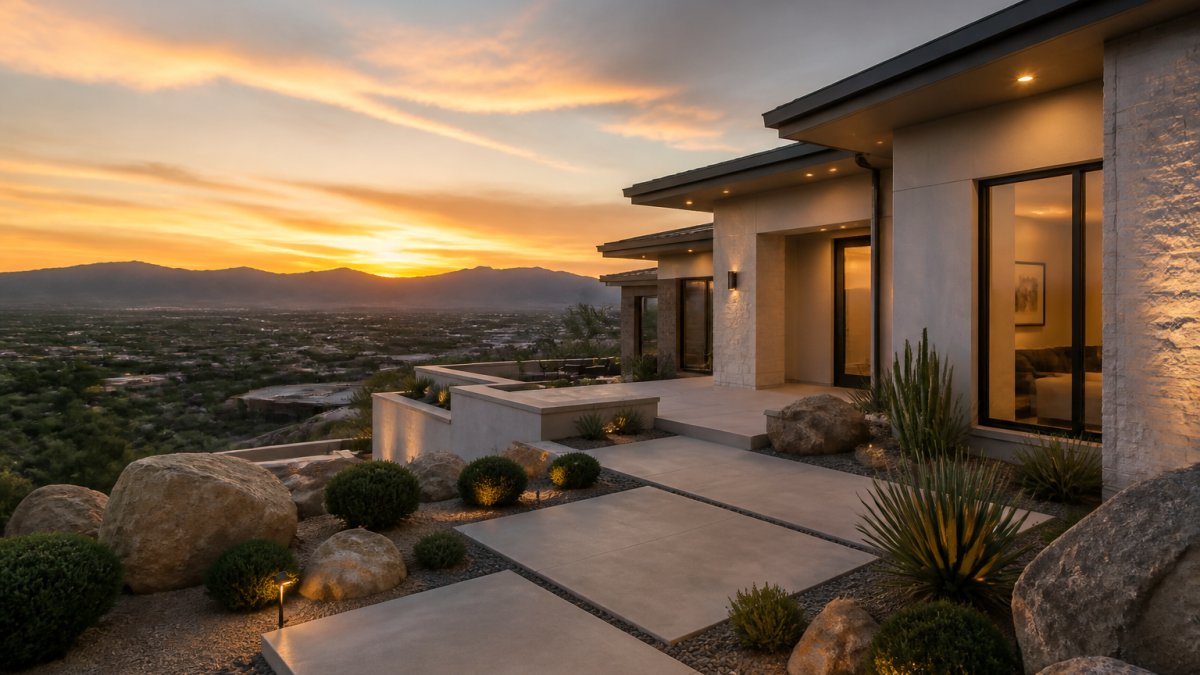
Start with honest assessment of your financial readiness. Million-dollar homes involve not just purchase price, but property taxes, insurance, maintenance, and potential HOA fees that collectively create substantial annual obligations.
Financing a million-dollar purchase involves decisions about loan structure, down payment, and interest rate strategy.
The inspection and due diligence process for luxury properties demands particular attention. High-end homes often include sophisticated systems, smart home technology, specialized HVAC systems, luxury finishes, that require expert evaluation.
Negotiation strategy for million-dollar properties differs from standard residential transactions. Multiple offer situations are less common, which shifts dynamics.
Lifestyle and Amenity Trends Shaping Luxury Demand
Luxury buyers in 2026 are increasingly motivated by lifestyle and amenity considerations rather than purely investment potential. This shift reflects broader changes in how affluent purchasers evaluate properties and neighborhoods.
Outdoor living spaces have become non-negotiable for luxury buyers. Properties with exceptional patios, pools, spa facilities, and entertaining areas command premiums.
Smart home technology integration is now expected rather than optional in luxury properties. Buyers anticipate integrated systems for security, climate control, lighting, and entertainment. Properties lacking modern technology infrastructure face competitive disadvantages.
Wellness amenities, fitness facilities, spa spaces, yoga studios, saunas, have shifted from luxury add-ons to baseline expectations for high-end properties. Buyers increasingly view their homes as personal wellness retreats.
Location preferences have evolved toward properties offering both privacy and proximity to amenities. Gated communities, properties on larger lots, and neighborhoods with restricted access appeal to luxury buyers seeking security and exclusivity.
Selling or buying luxury property in today's market requires understanding current conditions, realistic pricing, and strategic positioning. The landscape has shifted from the pandemic-era extremes toward a more balanced, analytical approach where data drives decisions. Whether you're navigating your first million-dollar purchase or selling a luxury property, having expert guidance transforms outcomes. Reside, LLC works with clients throughout the Las Vegas and Henderson luxury market to ensure your real estate goals are achieved with precision and confidence. Nevada Real Estate Commission guidelines provide regulatory oversight for all transactions, ensuring transparent practices throughout your journey.
| Market Factor | Current Status | Buyer Impact | Seller Impact |
|---|---|---|---|
| Inventory Levels | Constrained | More choice | |
| Interest Rates | Stable, elevated | Higher payments | Reduced buyer pool |
| Price Appreciation | Modest | Slower growth | Realistic expectations |
| Days on Market | Extended | More time to decide | Longer marketing |
| Negotiation Use | Property-dependent | Strong for selective buyers | Strong for premium homes |
Frequently Asked Questions
Are house prices dropping in Las Vegas luxury real estate?
The luxury real estate market is stabilizing after recent volatility. While some price correction occurred, the market has largely balanced between buyer and seller leverage. Days on market for high-end properties have extended compared to 2023, indicating cooling demand, but median prices remain elevated. Absorption rates vary by neighborhood and price segment. Consult with a local expert to understand conditions in your specific target area.
How do property taxes impact luxury home ownership in Henderson?
Property taxes in Henderson depend on assessed value and the local tax rate. Luxury properties face higher absolute tax bills due to valuation, but Nevada offers no state income tax, which offsets some burden. Tax implications vary significantly based on purchase price and property classification. A tax professional or real estate advisor can model your specific situation before purchase.
What defines luxury real estate in the current market?
Luxury real estate typically starts at $1 million and includes single-family homes, high-end condos, and townhomes with premium finishes, locations, and amenities. Current market definitions emphasize not just price but lifestyle features: smart home technology, resort-style amenities, investment-grade finishes, and proximity to premium neighborhoods. The luxury segment shows different price appreciation and inventory dynamics than the broader residential market, responding more to interest rates and wealth cycles.
What should I expect when selling a luxury property right now?
Selling luxury property requires a strategic approach in today's market. Extended marketing timelines and negotiation leverage favor prepared buyers. Expect professional staging, high-quality photography, and targeted marketing to affluent buyers. Days on market have increased, meaning realistic pricing and strong presentation are critical. International buyer interest remains a factor in select neighborhoods. Working with an advisor experienced in luxury transactions ensures proper positioning and timeline management.